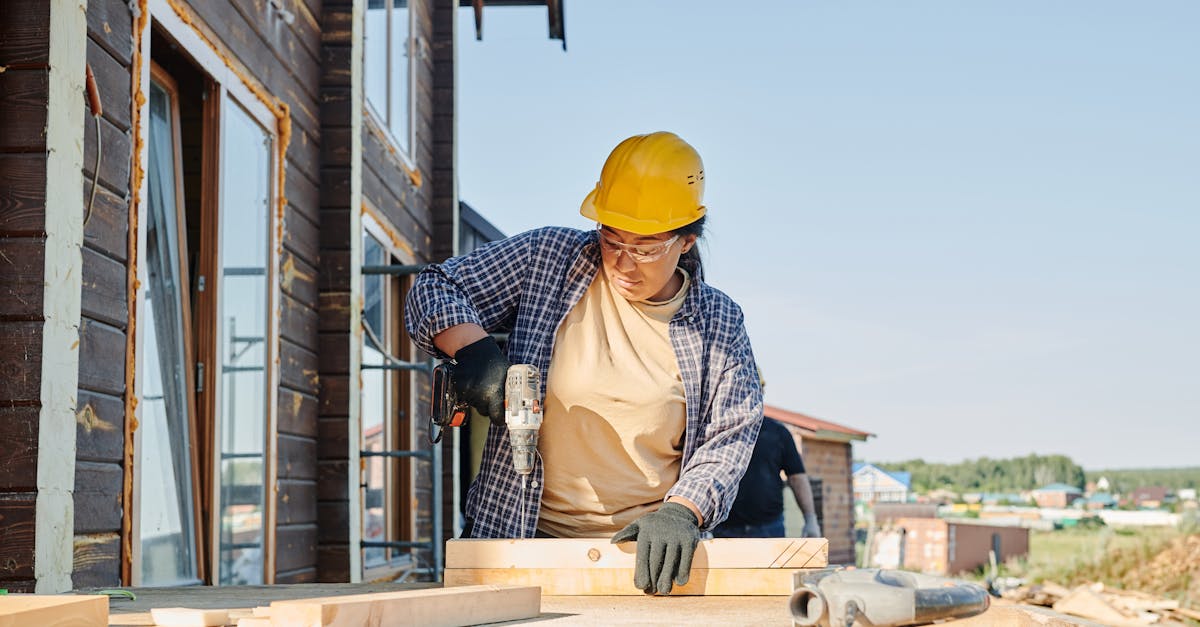
Crafting Bespoke Furniture: The Geelong Carpenters' Approach
Table Of Contents
Techniques Used in Crafting Bespoke Items
Carpenters in Geelong employ a variety of techniques to create bespoke furniture that reflects the unique desires of their clients. Hand-crafting remains a cornerstone of their approach, allowing artisans to imbue each piece with personal touches that cannot be replicated by machines. This method also ensures a high level of precision, as skilled hands shape and refine the wood, enhancing its natural beauty and characteristics. Techniques such as lamination and steam-bending are also frequently utilised, allowing for both innovative designs and structural integrity.
Another hallmark of bespoke furniture crafting is the incorporation of advanced tools and technology while maintaining a traditional craftsmanship ethos. Digital design software often aids in visualising concepts before physical creation begins. This not only enhances efficiency but also allows for adjustments based on client feedback at early stages. Moreover, utilising CNC (Computer Numerical Control) machines provides a new level of accuracy for intricate and detailed cuts, seamlessly blending modern innovation with artisanal skill. Through careful attention to both craft and contemporary techniques, Geelong carpenters are able to offer clients furniture that is both functional and a true reflection of personal style.
Joinery Methods Explained
Traditional joinery methods form the backbone of bespoke furniture making, emphasising both strength and aesthetic appeal. Skilled carpenters utilise techniques such as mortise and tenon, dovetail joints, and lap joints to create sturdy, enduring connections. Mortise and tenon joints allow for a seamless integration of wood pieces, offering structural integrity while maintaining visual appeal. Dovetail joints, often used in drawer construction, feature interlocking shapes that prevent pull-out while showcasing craftsmanship. Each method reflects a commitment to quality, ensuring that the final piece will withstand the test of time.
In contemporary woodworking, advancements have integrated modern tools while still respecting traditional joinery techniques. CNC machines can precisely cut joinery, enhancing accuracy and efficiency in custom builds. However, this technology is often complemented by hand-finishing techniques, allowing artisans to emphasise the unique characteristics of the wood. Carpenters focus on the natural beauty of materials, allowing grain patterns and textures to guide their design choices, marrying time-honoured practices with modern tools for a holistic approach to creating bespoke pieces.
The Importance of Sustainability
Sustainability has become a vital consideration in the world of furniture making. Consumers are increasingly aware of the environmental impact associated with their purchases. This awareness drives a demand for furniture that not only meets aesthetic and functional requirements but also aligns with sustainable practices. By incorporating responsibly sourced materials and environmentally friendly production techniques, craftsmen contribute to a more sustainable future while delivering high-quality products.
In Geelong, local carpenters actively seek to minimise their carbon footprint throughout the furniture creation process. This commitment to eco-friendly practices extends to every stage, from sourcing timber from certified forests to utilising non-toxic finishes. The emphasis on sustainable techniques reflects a broader trend within the industry, motivating consumers to opt for bespoke furniture that enhances both their living spaces and the environment. These skilled artisans are not just building furniture; they are creating enduring pieces that respect the planet and promote responsible consumption.
Eco-Friendly Practices in Furniture Making
Sustainable sourcing of materials is a crucial aspect of eco-friendly furniture making. Many Geelong carpenters prioritise using timbers from certified sustainable forests, ensuring that their wood is harvested responsibly. This commitment not only helps preserve natural habitats but also promotes the use of local resources, reducing transportation emissions. Additionally, by opting for recycled or reclaimed materials, they contribute to a circular economy, effectively reducing waste while crafting unique pieces.
Another key practice involves utilising low-VOC (volatile organic compound) finishes and adhesives. These products minimise harmful emissions that can contribute to indoor air pollution, creating healthier living environments. This attention to the environmental impact extends beyond production, as many artisans also focus on creating durable pieces that stand the test of time, reducing the need for replacements and further conserving resources. The blend of tradition and innovation in sustainable practices reflects a deep responsibility to both craftsmanship and the planet.
Tailoring to Client Needs
Understanding the specific desires and requirements of clients is a pivotal aspect of bespoke furniture creation. Each project begins with a detailed consultation where Geelong carpenters engage with clients to gather insights about their stylistic preferences, functional needs, and the intended environment for the furniture. This initial discussion sets the foundation for creating tailored pieces that not only resonate with the client's vision but also blend seamlessly into their existing decor.
After establishing the client's needs, carpenters move on to conceptualising designs that align with those preferences. Sketches and renderings allow for visualisation and refinement of ideas, ensuring that the final product is a true reflection of the client's aspirations. Feedback during this phase is crucial, as it helps in tweaking designs to achieve the perfect fit before realising the vision in physical form. The collaborative approach fosters a deeper connection between the client and the craftsmen, ultimately resulting in bespoke pieces that are both functional and personal.
The Consultation Process
Initial discussions with clients often revolve around their vision and needs. Understanding the specific requirements is crucial for developing a piece that truly resonates with their expectations. Geelong carpenters encourage clients to share their ideas, preferences regarding materials, and any particular styles they admire. This open dialogue helps establish a foundation upon which the project can be built.
Following the preliminary meeting, more detailed consultations usually take place. During these sessions, designers present sketches and samples to illustrate potential concepts. Clients are invited to provide feedback, making adjustments as needed to align with their desires. This iterative process not only nurtures collaboration but also ensures that the final piece reflects the client’s personality and lifestyle.
FAQS
What is bespoke furniture?
Bespoke furniture refers to custom-made pieces that are designed and crafted specifically to meet the individual needs and preferences of a client, often using high-quality materials and expert craftsmanship.
What joinery methods are commonly used in bespoke furniture making?
Common joinery methods include dovetail joints, mortise and tenon joints, and finger joints. These techniques ensure strong and durable connections between pieces of wood, enhancing the overall quality of the furniture.
How do Geelong carpenters incorporate sustainability into their furniture-making process?
Geelong carpenters prioritise sustainability by sourcing timber from responsibly managed forests, using eco-friendly finishes and adhesives, and minimising waste through efficient production methods.
What does the consultation process involve when creating bespoke furniture?
The consultation process typically includes discussions between the client and the carpenter to establish design preferences, budget, and functionality needs. This collaborative approach ensures the final product aligns with the client's vision.
How long does it usually take to create bespoke furniture?
The time required to create bespoke furniture can vary based on complexity and size, but typically ranges from a few weeks to several months. The process includes design, material selection, crafting, and finishing stages.
Related Links
Sustainable Materials in Custom Furniture Making for Geelong HomesInnovative Ideas for Custom Furniture Design in Geelong
Trends in Custom Furniture Styles for Geelong Residents
Understanding the Craftsmanship Behind Geelong's Custom Furniture
Transforming Spaces: The Role of Custom Furniture in Geelong
The Importance of Personalised Custom Furniture in Geelong