Essential Personal Protective Equipment for Carpenters
Table Of Contents
Hand Protection Options
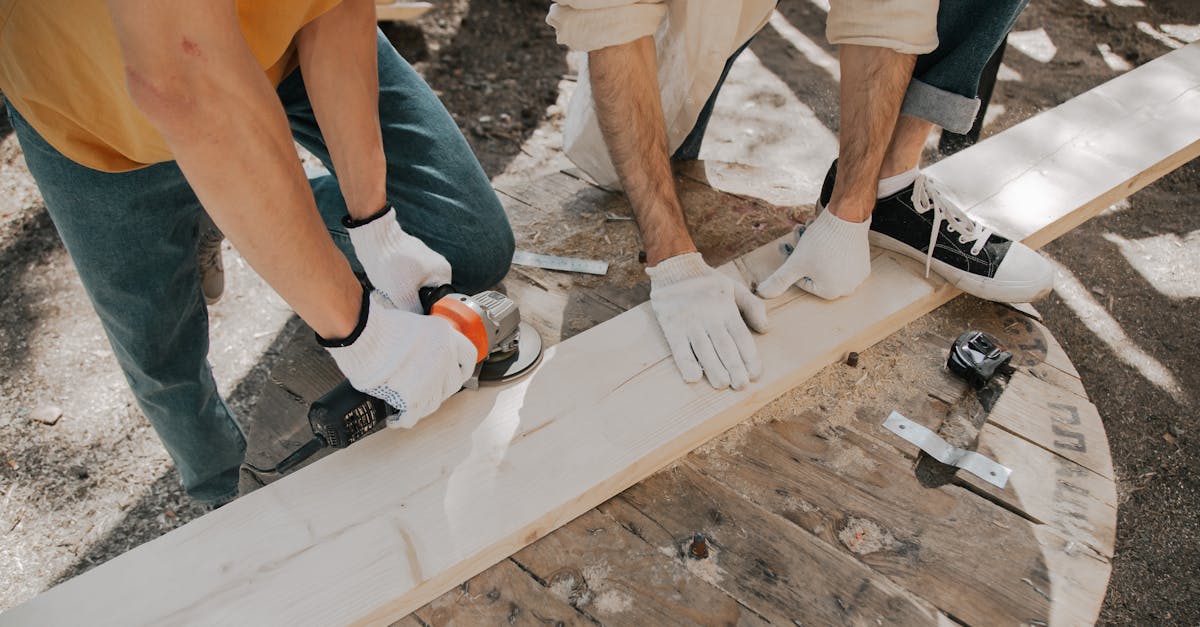
Carpenters encounter a variety of hazards while working with tools and materials, making hand protection a critical consideration. A range of gloves is available to suit different tasks and environments. For general carpentry work, options like leather gloves offer durability and grip. When handling sharp materials or operating power tools, cut-resistant gloves can provide extra protection. Gloves with a textured surface also enhance grip on tools, ensuring safer handling.
For jobs involving exposure to chemicals or heavy materials, specialised options should be considered. Rubber or neoprene gloves protect against solvents and adhesives commonly used in carpentry. When precision is crucial, gloves that are thinner yet protective can help maintain dexterity. Carpenters should assess the specific demands of their tasks to select gloves that balance safety with functionality, ensuring hands remain protected without sacrificing performance.
Selecting the Right Gloves for Carpentry Tasks
When it comes to selecting gloves for carpentry, the primary consideration should always be safety. The right gloves provide a barrier against cuts, abrasions, and other hazards typically encountered in woodworking. Look for gloves that are made from durable materials such as leather or synthetic composites that offer both flexibility and protection. Breathability is another key factor, as it helps to keep hands comfortable during extended periods of use.
Different carpentry tasks may require specific glove features. For precision work involving small tools, lightweight gloves with a snug fit can enhance dexterity while still offering some level of protection. In contrast, when handling rough materials or larger tools, bulkier gloves may be more appropriate to shield hands from heavy impacts or sharp edges. Always consider the unique requirements of each task to ensure the best possible fit and functionality in your choice of gloves.
Footwear Safety Standards
Wearing appropriate footwear is crucial for carpenters, as it provides a barrier against various workplace hazards. Safety standards for footwear include slip resistance, puncture protection, and compression ratings. These features ensure that the shoes can withstand the rigours of a construction site while providing necessary comfort for prolonged use. Compliance with standards such as AS/NZS 2210.3 guarantees that the footwear meets specific safety criteria tailored to the carpentry industry.
The emphasis on footwear safety is especially significant given the potential for heavy materials to be dropped or rolled onto a foot. Steel-toed boots are a popular choice within the trade, offering added protection against impact injuries. They typically come equipped with slip-resistant soles, enhancing stability on uneven surfaces. In addition to safety, comfort should not be overlooked, as a well-fitted, supportive shoe can greatly influence a carpenter's performance throughout the workday.
Importance of Steel-Toed Boots
For carpenters, protecting the feet from heavy objects and tools is crucial. Steel-toed boots provide an essential barrier against injuries caused by dropped materials. The reinforced toe caps absorb impact, significantly reducing the risk of fractures and other serious injuries. Additionally, many models offer features that improve traction and stability on slippery surfaces, essential for maintaining balance while working with heavy equipment.
Comfort plays a significant role in the overall effectiveness of footwear during long hours on the job. Many steel-toed boots come with added cushioning and support, which helps reduce fatigue over time. Furthermore, selecting boots that fit correctly can prevent blisters and discomfort, allowing carpenters to focus on their tasks without distraction. Investing in quality steel-toed footwear ultimately contributes to a safer and more productive work environment.
High-Visibility Clothing
Wearing appropriate high-visibility clothing is crucial for carpenters working in environments where the risk of accidents is heightened. Such clothing often includes vests, jackets, or shirts made from bright colours or fabric with reflective strips. This is especially important on job sites where machinery operates or when working near roadways. Enhanced visibility allows others on site to easily spot workers, thereby reducing the likelihood of collisions or accidents.
Selecting high-visibility clothing that meets safety standards is essential. The Australian Standards for high-visibility clothing ensure that garments offer adequate brightness and reflective qualities. This is important for any carpenter who needs to maintain safety while performing their duties in various lighting conditions. Incorporating such clothing into daily work gear promotes a culture of safety and awareness on site.
Enhancing Visibility on Job Sites
Carpenters often work in environments where visibility can be significantly compromised. Whether in dimly lit areas, during inclement weather, or working with heavy machinery nearby, having high-visibility clothing is crucial for maintaining safety. The use of bright colours and reflective materials helps ensure workers can be easily seen by colleagues and operators of equipment, reducing the risk of accidents.
When selecting high-visibility clothing, it is important to choose garments that meet relevant Australian standards. This includes vests, jackets, and pants designed specifically for outdoor and construction work. Combining high-visibility apparel with other protective equipment reinforces safety and contributes to a more secure workplace. The right choices enhance not only individual safety but also create a culture of awareness on the job site.
FAQS
What types of gloves are recommended for carpentry tasks?
Recommended gloves for carpentry tasks include leather gloves for durability, cut-resistant gloves for protection against sharp tools, and insulated gloves for working in colder conditions. Always choose gloves that fit well and allow for dexterity.
Why are steel-toed boots important for carpenters?
Steel-toed boots are crucial for carpenters as they provide essential protection for the feet against heavy falling objects, sharp tools, and potential punctures. They also offer better traction and support on uneven job sites.
How can high-visibility clothing benefit carpenters on the job?
High-visibility clothing enhances safety by making carpenters more visible to others on job sites, especially in low-light conditions or areas with heavy machinery. This reduces the risk of accidents and improves overall site safety.
Are there specific safety standards for footwear in carpentry?
Yes, safety footwear for carpentry must comply with Australian safety standards, such as AS/NZS 2210.3, which outlines requirements for protective features like steel toes, slip resistance, and electrical hazard protection.
Is it necessary to wear personal protective equipment even for small carpentry tasks?
Yes, it is essential to wear personal protective equipment (PPE) even for small tasks, as accidents can occur unexpectedly. Proper PPE helps reduce the risk of injuries regardless of the task's size or perceived danger.
Related Links
The Role of Ear Protection in Commercial Carpentry WorkUnderstanding the Importance of Safety Harnesses in Carpentry
Understanding Fall Protection Systems for Elevated Work
Safety Gloves: Protecting Your Hands on the Job
Effective Use of High-Visibility Clothing for Outdoor Projects
The Necessity of First Aid Kits on Construction Sites
Harnessing the Benefits of Dust Masks in Carpentry