Essential Skills for Quality Cabinet Construction
Table Of Contents
Safety Practices in the Workshop
In any workshop, safety must always come first. It is essential to maintain a clean and organised workspace to prevent accidents and injuries. Tools and materials should be stored properly, minimising clutter and ensuring that pathways are clear. Regularly inspecting equipment and work surfaces for hazards can help identify potential risks before they become serious issues. Everyone in the workshop should understand the safety protocols in place, contributing to a culture of safety awareness.
Proper training on machinery and tools is vital for reducing accidents. Everyone should be aware of how to use tools safely and effectively. Additionally, ensuring that emergency procedures are well understood prepares individuals for unexpected situations. Creating a routine that includes safety checks before starting any project reinforces safe practices. Encouraging open communication about safety concerns can foster a proactive approach to maintaining a safe working environment.
Essential Safety Gear and Protocols
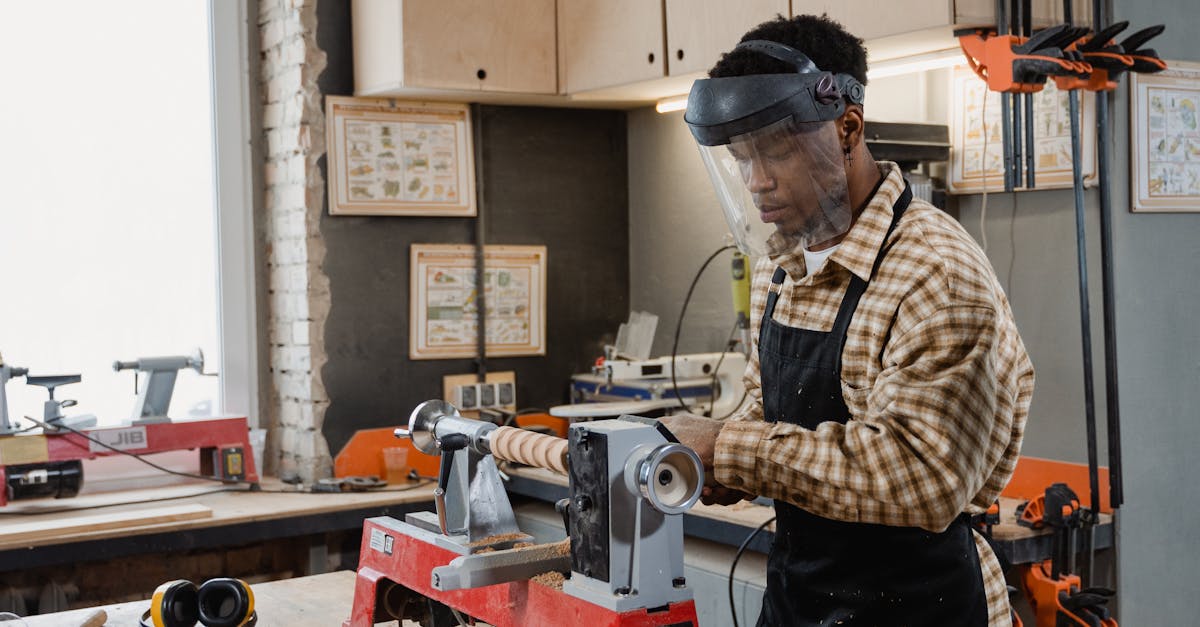
Ensuring a safe working environment is paramount in cabinet construction. Wearing appropriate safety gear protects individuals from potential injuries during the fabrication process. Essential items include safety goggles, which shield the eyes from dust and flying debris. Hearing protection should also be worn, especially when operating loud machinery. Steel-toed boots offer protection from heavy objects, while durable gloves can prevent cuts and abrasions when handling raw materials.
Establishing clear safety protocols is crucial for minimising risks in the workshop. Workers should be aware of emergency procedures, including the location of first aid kits and fire extinguishers. Regular safety briefings can reinforce the importance of wearing personal protective equipment and encourage reporting of unsafe conditions. Keeping the workspace organised contributes to safety, as clutter can lead to accidents. Proper training on tool usage also plays a significant role in fostering a culture of safety.
Tool Maintenance and Care
Regular maintenance of tools is crucial for ensuring they perform effectively and last for years. Routine cleaning should be a priority after each use. Removing dust and debris prevents rust and build-up that can hinder performance. Additionally, lubricating moving parts, such as hinges and saw blades, can significantly improve functionality and extend the life of the tools.
Proper storage is equally important to maintain tool integrity. Tools should be stored in dedicated places, such as cabinets or toolboxes, away from moisture and extreme temperatures. Investing in tool organisers can also prevent tools from becoming damaged or misplaced. Regularly inspecting tools for wear, sharpening blades as necessary, and replacing worn parts will keep them in peak working condition.
Tips for Keeping Tools in Optimal Condition
To ensure tools remain efficient and durable, regular cleaning is essential. Dust and debris can accumulate, leading to rust and poor performance over time. Use a soft cloth to wipe down surfaces after each use. For more thorough cleaning, a gentle brush can remove stubborn particles from crevices. Checking for any signs of damage should be a routine practice. Noticing small issues early can prevent larger problems and expensive repairs.
In addition to cleaning, proper storage plays a crucial role in tool preservation. Keeping tools in a dry, designated area reduces the risk of moisture-related deterioration. Utilising protective cases or holders can prevent scratches and other wear. Regularly inspecting and organising tools can also enhance workflow and access during projects, leading to more efficient work processes. Paying attention to these details cultivates a productive and safe workshop environment.
Understanding Hardware Options
Selecting the appropriate hardware is vital for the functionality and aesthetics of cabinetry. Different hinges, handles, and drawer slides contribute significantly to both ease of use and overall design. Options such as concealed hinges may offer a sleek look, while exposed hinges can add a touch of vintage charm. It’s important to consider the weight and style of the doors when choosing hardware.
The variety of finishes available allows for greater creative expression. Stainless steel, brushed nickel, and matte black are popular choices that can complement various themes. For handles, the grip and size should also match the intended use. A careful examination of functionality paired with visual appeal will lead to an ideal selection for cabinet construction.
Choosing the Right Hinges and Handles
The selection of hinges and handles plays a significant role in both functionality and aesthetics of cabinetry. When choosing hinges, consider the type of cabinet and its intended use. For example, concealed hinges offer a sleek look and are ideal for modern designs, while traditional butt hinges may enhance a more classic aesthetic. Additionally, each type has variations designed for specific door weights and sizes, so it is crucial to match them accordingly to ensure durability and proper operation.
Handles, on the other hand, should complement the overall design while providing ease of use. Options range from sleek, minimalist pulls to ornate knobs, allowing for flexibility in style. It is important to consider the size and ergonomic design when selecting handles as well. Choosing handles that are too small or poorly designed can hinder functionality and detract from the cabinet's appearance. Careful consideration of both hinges and handles ensures a cohesive look and reliable performance for the finished piece.
FAQS
What are the essential safety practices to follow in a cabinet construction workshop?
Essential safety practices include wearing appropriate safety gear, such as goggles, gloves, and ear protection, maintaining a clean and organised workspace, and being aware of your surroundings to prevent accidents.
What types of safety gear should I invest in for cabinet construction?
Essential safety gear includes safety goggles, hearing protection, dust masks, cut-resistant gloves, and sturdy footwear to protect against potential hazards in the workshop.
How can I ensure my tools are well-maintained for cabinet construction?
Regularly clean your tools after use, sharpen blades as needed, and store them in a dry place to prevent rust. Performing routine checks for any signs of wear or damage is also important.
What are some tips for keeping my woodworking tools in optimal condition?
Tips include lubricating moving parts, using protective covers when not in use, and following manufacturer guidelines for maintenance. Additionally, consider a schedule for regular tool inspections.
How do I choose the right hinges and handles for my cabinets?
When choosing hinges and handles, consider the style and functionality you want, ensure they are compatible with your cabinet design, and select high-quality materials that will withstand daily use.
Related Links
Innovative Design Approaches in Cabinetry and JoineryUnderstanding the Joinery Process in Carpentry
Achieving Excellence in Cabinet Finishing
Integrating Modern Technology in Joinery Craft
The Importance of Precision in Joinery Skills
Fine Woodworking Techniques for Custom Projects
Crafting Bespoke Cabinets: Skills for Geelong Carpenters
Advanced Joinery Techniques for Local Carpenters