Ongoing Safety Training Requirements for Geelong Carpenters
Table Of Contents
Common Safety Hazards in Carpentry
Carpentry can present a variety of safety hazards, which can lead to injuries if not properly managed. Falling objects are a significant threat, often occurring when tools or materials are not secured correctly. Additionally, slips, trips, and falls are prevalent on job sites where debris and uneven surfaces are common. The use of ladders and scaffolding can further exacerbate these risks, making it crucial for carpenters to maintain a clean and organised work environment.
Another critical hazard involves the operation of power tools and equipment. Improper handling or lack of training can result in severe accidents, including cuts and amputations. Exposure to dust and airborne particles during cutting and sanding processes poses respiratory risks. Electrical hazards also persist when working near live wires or faulty equipment. Recognising these risks is vital to fostering a culture of safety and awareness on the job site.
Identifying Risks on the Job Site
Carpenters must remain vigilant in recognising potential hazards on job sites. Common risks include uneven surfaces, falling objects, and exposure to power tools. Environmental factors also contribute to safety concerns, with weather conditions like rain or extreme heat posing challenges to workers. Conducting thorough site inspections helps in identifying these hazards before they escalate into accidents.
Observing work processes and the behaviour of team members can further highlight risks. Assessing the use and maintenance of tools is crucial, as defective equipment can lead to serious injuries. Encouraging open communication among team members enhances awareness, allowing immediate reporting of unsafe conditions. Regular discussions about specific risks help establish a culture of safety that prioritises well-being on the job.
The Role of Personal Protective Equipment (PPE)
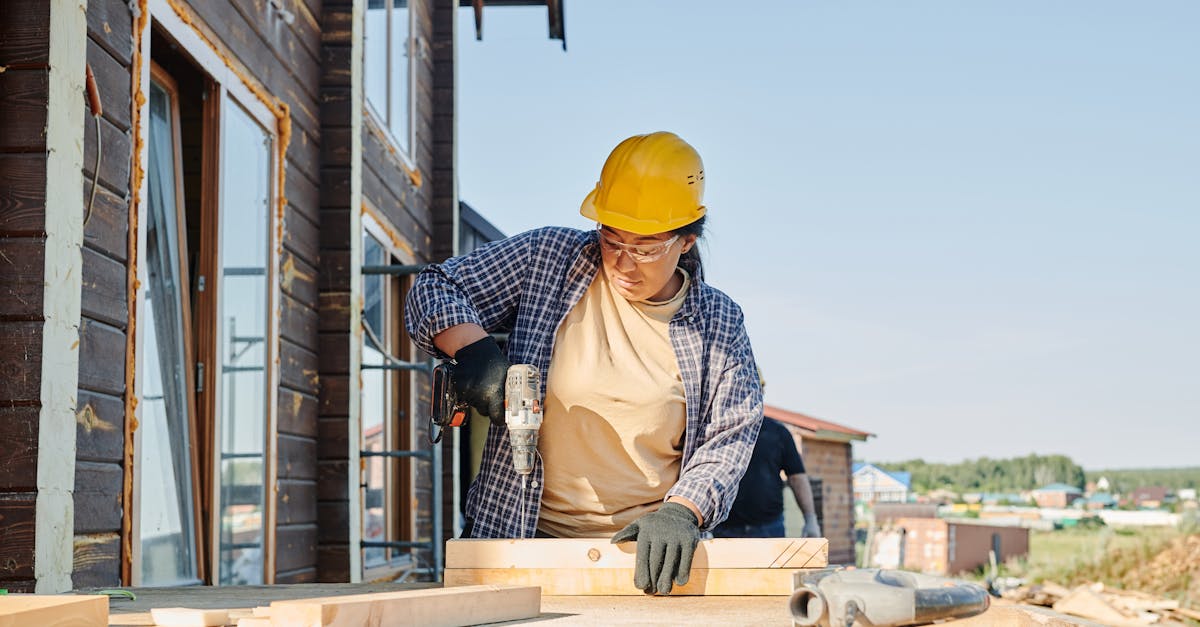
Properly selected and fitted personal protective equipment (PPE) is crucial for safeguarding carpenters against on-site hazards. Hard hats, safety goggles, gloves, and steel-toed boots form the foundation of effective PPE, each serving a specific purpose. For instance, hard hats protect against falling objects, while safety goggles shield the eyes from dust and debris. Gloves can prevent cuts and abrasions during material handling, and sturdy footwear guards against heavy equipment or sharp materials that may pose a risk to foot injuries.
Exposure to hazardous materials and tools necessitates the use of specific PPE designed to offer maximum protection. High-visibility vests are essential in ensuring that carpenters remain visible to others on busy job sites. Hearing protection may also be required when operating loud machinery. Each of these items plays a vital role in minimising the risk of injury and enhancing overall safety. Regular assessment and updating of PPE gear ensure that it meets current safety standards and addresses any emerging risks in the carpentry environment.
Essential Gear for Carpenter Safety
Personal protective equipment plays a vital role in ensuring the safety of carpenters. Essential gear includes hard hats to protect against falling objects, safety goggles to shield eyes from dust and debris, and sturdy work boots to provide support and prevent foot injuries. Hearing protection is also important, especially when working with loud machinery. Gloves can help prevent cuts and abrasions while allowing for a better grip on tools.
High-visibility clothing is another crucial element that improves visibility on job sites, particularly in areas where machinery is in operation. Additionally, respiratory protection may be necessary when dealing with hazardous materials or dust. By equipping themselves with the right safety gear, carpenters can significantly reduce the risk of injuries while maintaining a safe working environment.
The Impact of Training on Job Performance
Ongoing training significantly enhances a carpenter’s performance on the job. By regularly engaging in safety and skills workshops, professionals develop a deeper understanding of industry standards and best practices. This knowledge translates into improved execution of tasks, resulting in higher quality work and reduced errors. Training also reinforces the importance of adhering to safety protocols, which helps mitigate risks on-site.
Improved job performance is often visible in the way carpenters approach challenges. Empowered with the latest techniques and safety measures, they can tackle complex tasks more efficiently. This increased efficiency not only boosts productivity but also cultivates a safer working environment. As their skills grow through continual education, these tradespeople are better equipped to make informed decisions, benefiting both themselves and their employers.
Correlation Between Skills and Safety
Effective safety training enhances a carpenter's ability to recognise and mitigate potential hazards. Skilled workers are more likely to employ proper techniques while operating machinery and handling materials. This knowledge reduces the likelihood of accidents on the job site. Regular training activities keep safety protocols fresh, ensuring that carpenters stay aware of best practices.
A direct relationship exists between a carpenter's skillset and the overall safety of the work environment. Workers who are proficient in their tasks tend to make informed decisions that promote their safety and that of their colleagues. Comprehensive training fosters a culture of safety, encouraging team members to communicate openly about risks and adopt preventative measures. When carpenters feel confident in their abilities, they are less prone to engage in risky behaviours.
FAQS
What are the common safety hazards that Geelong carpenters face?
Common safety hazards for Geelong carpenters include falls from heights, cuts from tools, electrical hazards, and exposure to harmful materials like dust and chemicals.
How can carpenters identify risks on the job site?
Carpenters can identify risks by conducting regular safety audits, assessing the work environment, and staying vigilant about potential hazards as they arise during the work process.
Why is personal protective equipment (PPE) important for carpenters?
PPE is crucial for carpenters as it helps reduce the risk of injuries from accidents, protects against hazardous materials, and ensures compliance with safety regulations.
What essential gear should carpenters wear for safety?
Essential gear for carpenter safety includes hard hats, safety goggles, hearing protection, gloves, and sturdy steel-toed boots.
How does ongoing safety training impact job performance for carpenters?
Ongoing safety training enhances job performance by improving skills, increasing awareness of safety protocols, and fostering a culture of safety that can lead to fewer accidents and injuries on the job.
Related Links
Developing a Comprehensive Safety Training Program for CarpentersEvaluating Compliance with Australian Safety Regulations in Carpentry
Navigating the Compliance Landscape in the Carpentry Industry
The Impact of Safety Culture on Carpentry Work
Best Practices for Safety Training Implementation in Carpentry
Essential Certifications for Safe Carpentry Practices
Role of Safety Training in Preventing Workplace Injuries