The Role of Circular Saws in Carpentry Efficiency
Table Of Contents
Maintenance Tips for Circular Saws
Regular maintenance significantly enhances the performance and longevity of circular saws. Keeping the blade clean is crucial; sawdust and resin buildup can interfere with cutting precision. After each use, a quick wipe down of the blade and the base plate helps prevent residue accumulation. It's advisable to periodically check the blade for any signs of wear or damage, as a dull or nicked blade not only affects cuts but also increases the risk of kickback.
The power cord and plug should be examined frequently for frays or damage, which could pose safety hazards. Lubricating the moving parts according to the manufacturer's specifications will ensure smoother operations and reduce wear over time. Additionally, checking the alignment of the blade is essential to achieve straight cuts. Taking the time to perform these maintenance tasks can save money on repairs and replacements while maintaining optimal performance for your circular saw.
Keeping Your Blade Sharp
A sharp blade is vital for achieving clean and precise cuts. Regularly inspecting the blade for signs of dullness or damage can help maintain cutting efficiency. If you notice that the saw requires more effort to cut through materials, it is likely time to sharpen or replace the blade. Keeping the teeth of the blade free from build-up will also enhance performance. Simple cleaning with a brush or cloth can remove any resin or debris that may hinder its effectiveness.
There are various methods for sharpening circular saw blades. Using a dedicated sharpening tool can provide accurate results, while some professionals prefer to take blades to specialists for the best outcome. When sharpening, pay attention to maintaining the original angle of the teeth; this ensures optimal cutting performance and longevity. Periodically investing time in blade maintenance not only provides better cutting results but can also prolong the lifespan of the saw itself.
Common Problems with Circular Saws
Circular saws can encounter a range of common issues that may hinder performance. One frequent problem is the motor overheating, which can result from prolonged use or insufficient power supply. Dust and debris accumulation may also impact functionality, leading to reduced cutting efficiency and possible damage to the internal components. Regular inspection of the saw's housing and motor can help prevent these complications.
Another issue often seen with circular saws is blade misalignment. This misalignment can cause inaccurate cuts and increased wear on the blade. Additionally, vibrations during use can indicate a loose blade or malfunctioning components. Addressing these concerns early can extend the tool's lifespan and improve cutting precision, making regular maintenance an important practise for carpenters.
Troubleshooting Solutions
When a circular saw encounters issues, identifying the cause is crucial for effective troubleshooting. If the motor fails to start, users should check the power supply and ensure the saw is properly plugged in. A tripped circuit breaker or a damaged extension cord could also be potential culprits. For saws that start but abruptly stop, inspecting the trigger switch and brush assembly is advisable, as wear in these components may lead to performance issues.
Another common problem is blade binding during operation. This often arises from an incorrectly aligned blade or feeding material too quickly. To remedy this, ensure that the blade is installed correctly and that the workpiece is supported adequately to prevent excessive strain. Clearing debris from the cutting area and adjusting the feed rate can also improve performance. Regular maintenance ensures that these problems remain minimal, extending the longevity of the saw.
Techniques for Efficient Cutting
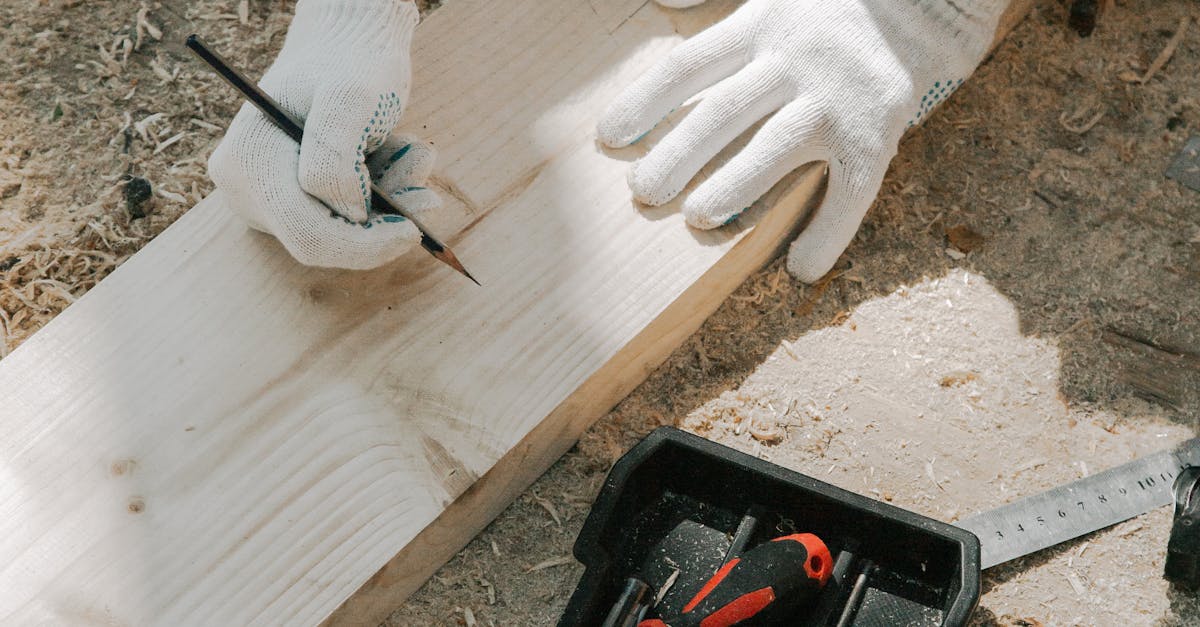
Achieving precise cuts with a circular saw requires a combination of technique and attention to detail. It is essential to maintain a steady hand while making cuts. Positioning the saw correctly on the workpiece is crucial for accuracy. Marking the cut line clearly will aid in guiding the blade along the desired path. Using clamps to secure the material can further enhance stability during cutting, which reduces the likelihood of any movement that could compromise the quality of the cut.
Understanding the appropriate speed and feed rate for different materials also plays a significant role in cutting efficiency. Slower speeds may be better for thicker materials, allowing for a cleaner cut without straining the saw. Conversely, quicker speeds can be employed for thinner materials, making the process faster. Always ensure the correct blade for the project at hand, as different blades offer varying performance characteristics suited to specific materials.
Mastering the Circular Saw Grip
A firm grip on the circular saw is essential for both safety and precision. Placing one hand on the rear handle while the other supports the front ensures better control during operation. This stance helps maintain balance and reduces the strain on the user’s wrist, leading to cleaner cuts. It’s also advisable to keep hands away from the blade’s path. Maintaining a comfortable distance allows for quick adjustments without compromising safety.
Proper stance complements the grip. Feet should be shoulder-width apart for stability, and one foot may be slightly forward to help guide the tool. Positioning the saw correctly against the workpiece can prevent kickback, an unwelcome occurrence that can lead to injury. Being mindful of body posture while cutting aids in maintaining focus and reduces fatigue. Practicing these techniques will significantly improve cutting efficiency and overall safety when using a circular saw.
FAQS
What is the importance of maintaining a circular saw?
Regular maintenance of a circular saw is crucial to ensure its efficiency, longevity, and safety. A well-maintained saw performs better, produces cleaner cuts, and reduces the risk of accidents.
How often should I sharpen my circular saw blade?
The frequency of sharpening your circular saw blade depends on usage. As a general rule, it’s advisable to sharpen the blade after every 5-10 hours of use or whenever you notice a decline in cutting performance.
What are some common problems I might encounter with my circular saw?
Common problems include blade binding, uneven cuts, excessive vibration, and the saw not powering on. These issues can often be addressed with troubleshooting techniques.
How can I troubleshoot my circular saw if it won't power on?
First, check the power source and ensure the cord is intact. Next, inspect the switch and trigger for any obstructions. If these do not resolve the issue, it may require professional servicing.
What is the best technique for holding a circular saw for efficient cutting?
Mastering the grip involves holding the saw with both hands—one on the rear handle and the other on the front grip. This provides better control and stability, leading to more accurate and efficient cuts.
Related Links
Choosing the Right Jigsaw for Precision CutsImpact Wrenches: Revolutionising Carpentry Projects
Must-Have Power Tools for Custom Furniture Makers
The Importance of Table Saws in Professional Carpentry
Understanding the Benefits of Random Orbital Sanders
Comparing Nail Guns for Different Carpentry Applications
A Guide to Routers and Their Uses in Geelong Carpentry
Essential Cordless Drills for Local Carpentry
Best Electric Saws for Carpenters in Geelong